

Mechanical vs Digital Flow Meters – Which One Should You Choose?
Flow meters play a crucial role in measuring the movement of liquids, gases, and viscous fluids in industrial systems. Choosing the right type of flow meter is essential to ensure accurate measurement, operational efficiency, and long-term reliability.
Among the most widely used technologies, Mechanical Flow Meters and Digital Flow Meters are the two primary options. Each has its own advantages, limitations, and ideal application areas.
What is a Mechanical Flow Meter?
A Mechanical Flow Meter measures fluid flow using physical moving components such as gears, turbines, or pistons. These devices calculate fluid volume based on mechanical motion generated by fluid passing through the meter.
Common Types:
- Oval Gear Flow Meters
- Turbine Flow Meters
- Positive Displacement Flow Meters
How Mechanical Flow Meters Work
When fluid passes through the meter, internal moving parts rotate or displace based on fluid flow. The number of rotations or movements directly corresponds to the fluid volume passing through the system.
Advantages of Mechanical Flow Meters
✔ High Accuracy for Viscous Fluids
Mechanical meters are highly reliable for oils, lubricants, and heavy fluids.
✔ Durable & Reliable
Designed to perform in harsh industrial environments.
✔ No Power Requirement (in many models)
They can operate without external electricity.
Limitations of Mechanical Flow Meters
- Moving parts may wear over time
- Require periodic maintenance
- Limited data recording capability
- Less suitable for automation systems
What is a Digital Flow Meter?
A Digital Flow Meter uses electronic sensors and microprocessors to measure and display flow data. These meters provide highly precise readings and often include smart monitoring features.
How Digital Flow Meters Work
Digital flow meters use sensors to measure flow velocity, pressure, or electromagnetic signals. The data is processed electronically and displayed on digital screens or transmitted to control systems.
Advantages of Digital Flow Meters
✔ High Precision Measurement
Ideal for industries requiring accurate monitoring and reporting.
✔ Real-Time Data Monitoring
Provides instant flow measurement data.
✔ Data Logging & Reporting
Stores historical flow information for analysis.
✔ Automation Integration
Compatible with PLC, IoT, and industrial automation systems.
✔ Remote Monitoring Capability
Supports wireless or network-based monitoring.
Limitations of Digital Flow Meters
- Requires power supply
- Higher initial cost
- Sensitive to harsh environmental conditions (in some cases)
- Requires technical setup and calibration
Which Flow Meter Should You Choose?
Choosing the right flow meter depends on your operational needs and industrial application.
Choose Mechanical Flow Meter If:
✔ You are measuring viscous fluids like oil or lubricants
✔ You need a cost-effective solution
✔ Your application does not require data monitoring
✔ You operate in harsh industrial environments
✔ You prefer simple and reliable technology
Choose Digital Flow Meter If:
✔ You need high precision and advanced monitoring
✔ Your system requires automation integration
✔ You need data logging and reporting features
✔ You want remote monitoring capability
✔ You require real-time performance tracking
Latest Blog Posts
End-to-end support from selection to maintenance ensuring optimal performance
Flow Measurement Guide for Beginners
Flow Measurement Guide for Beginners Request Consultation Download Brochure Years Experience 0 + Satisfied Clients 0 + Industries Served 0...
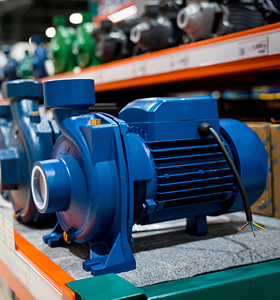
Industrial Pump Buying Guide – Complete Checklist
Industrial Pump Buying Guide – Complete Checklist Request Consultation Download Brochure Years Experience 0 + Satisfied Clients 0 + Industries...

What is a Flow Meter? Types, Working & Industrial Applications
What is a Flow Meter? Types, Working & Industrial Applications Request Consultation Download Brochure Years Experience 0 + Satisfied Clients...